

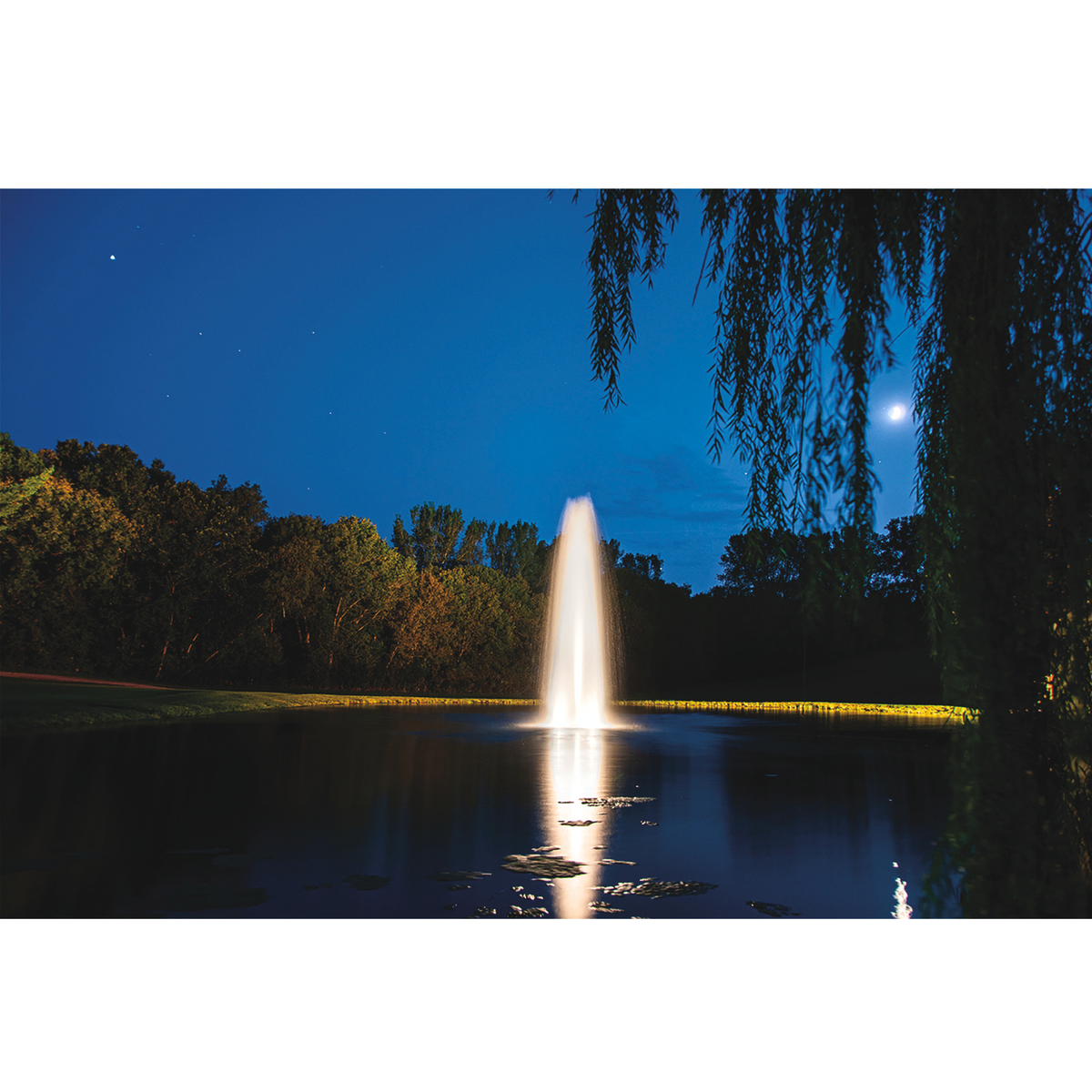
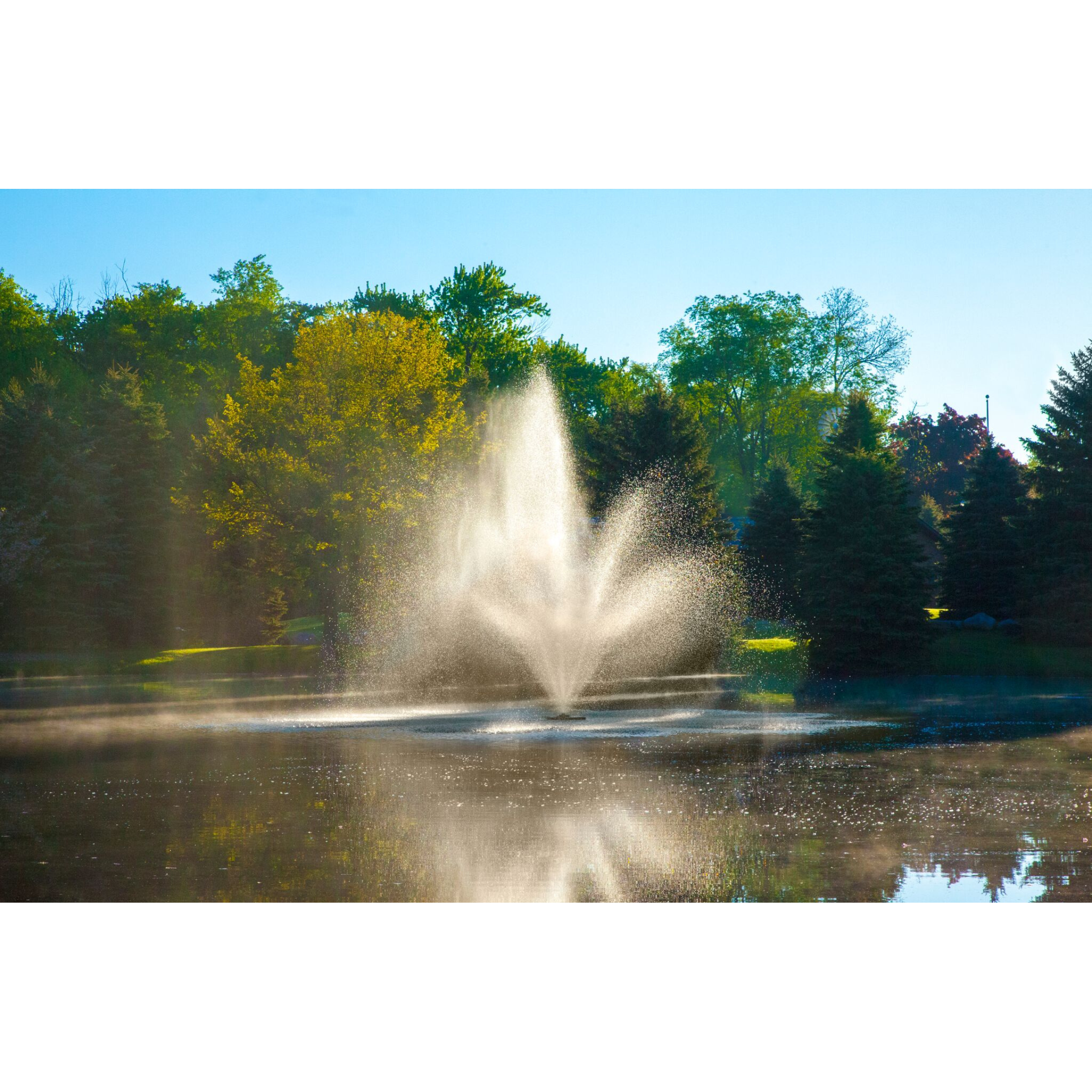
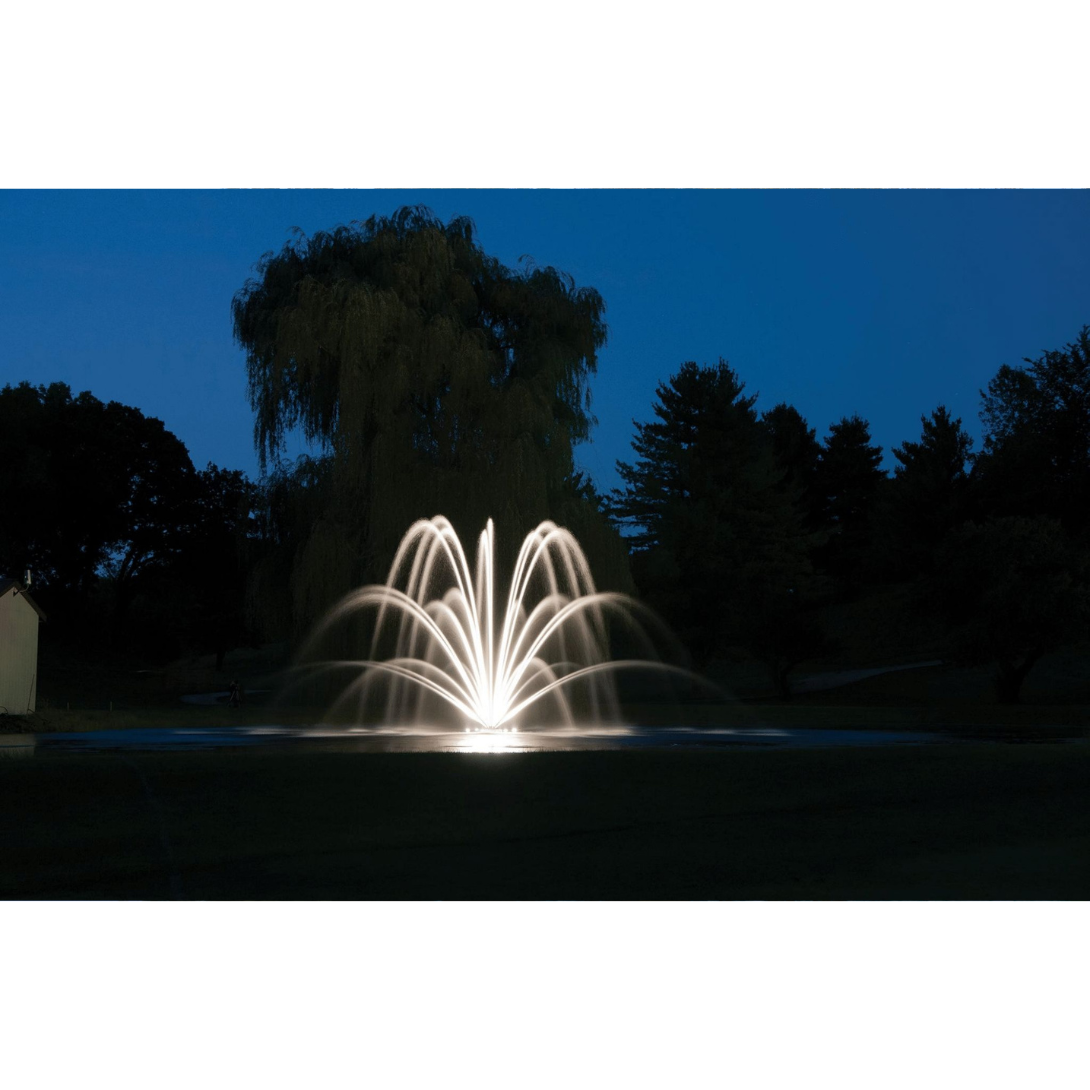
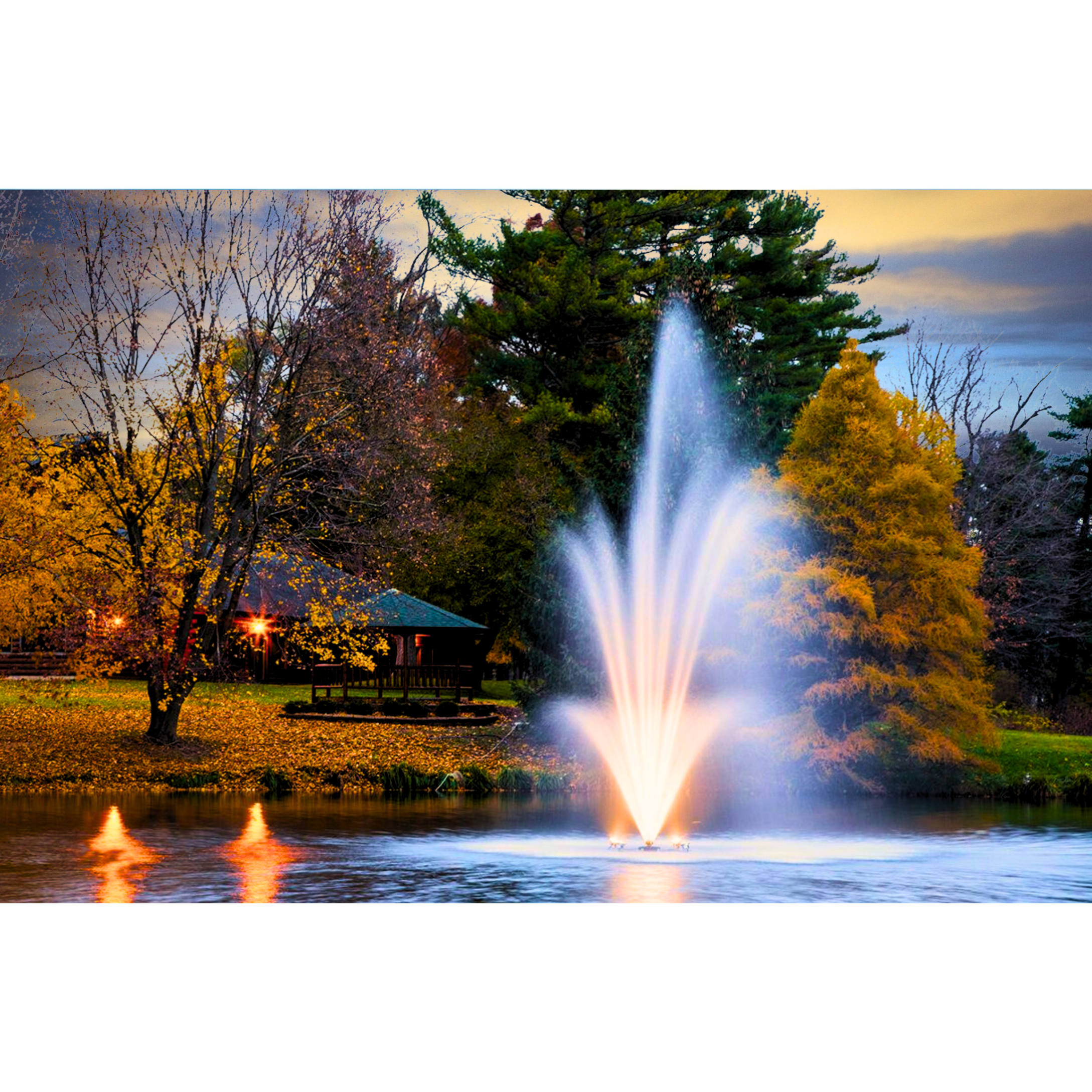
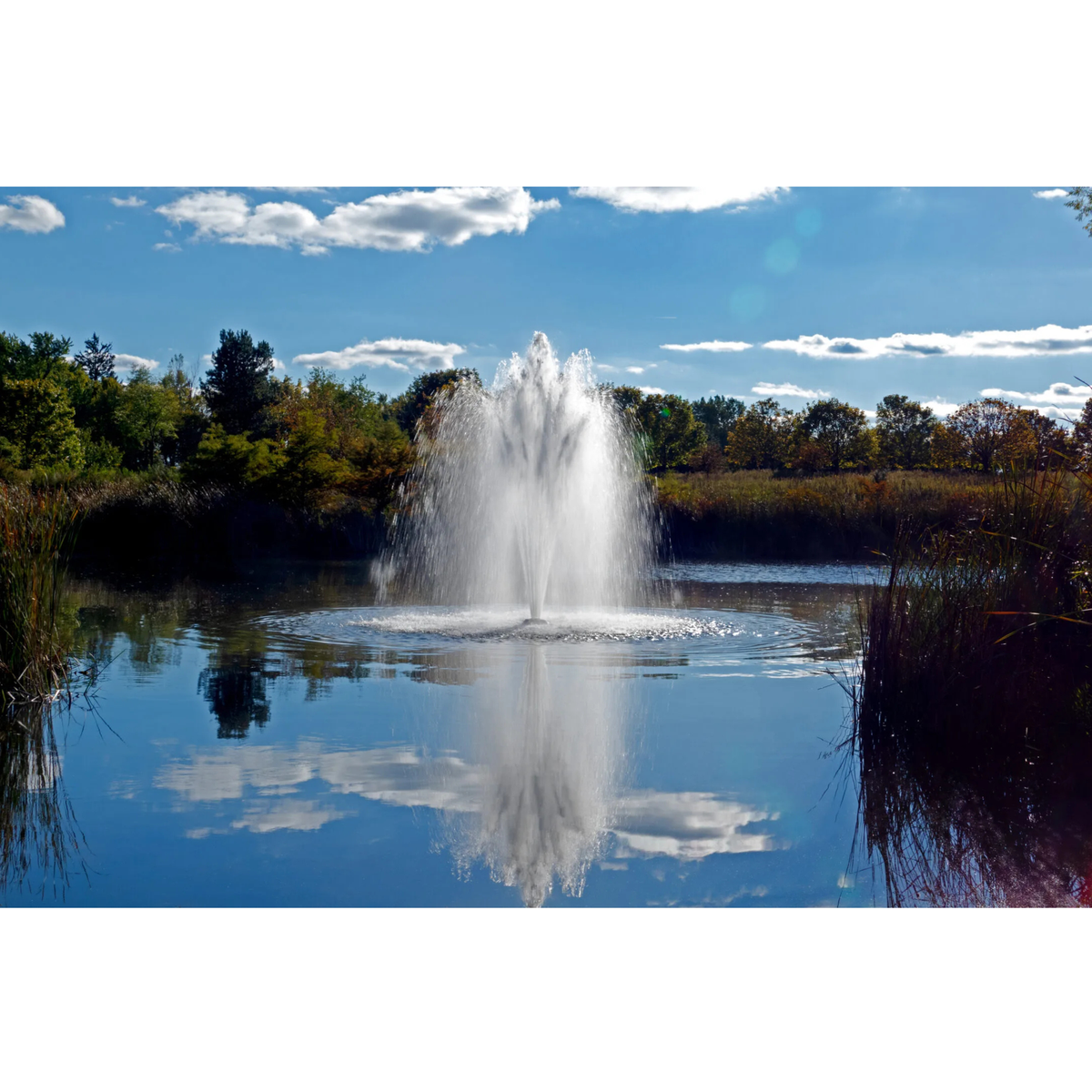
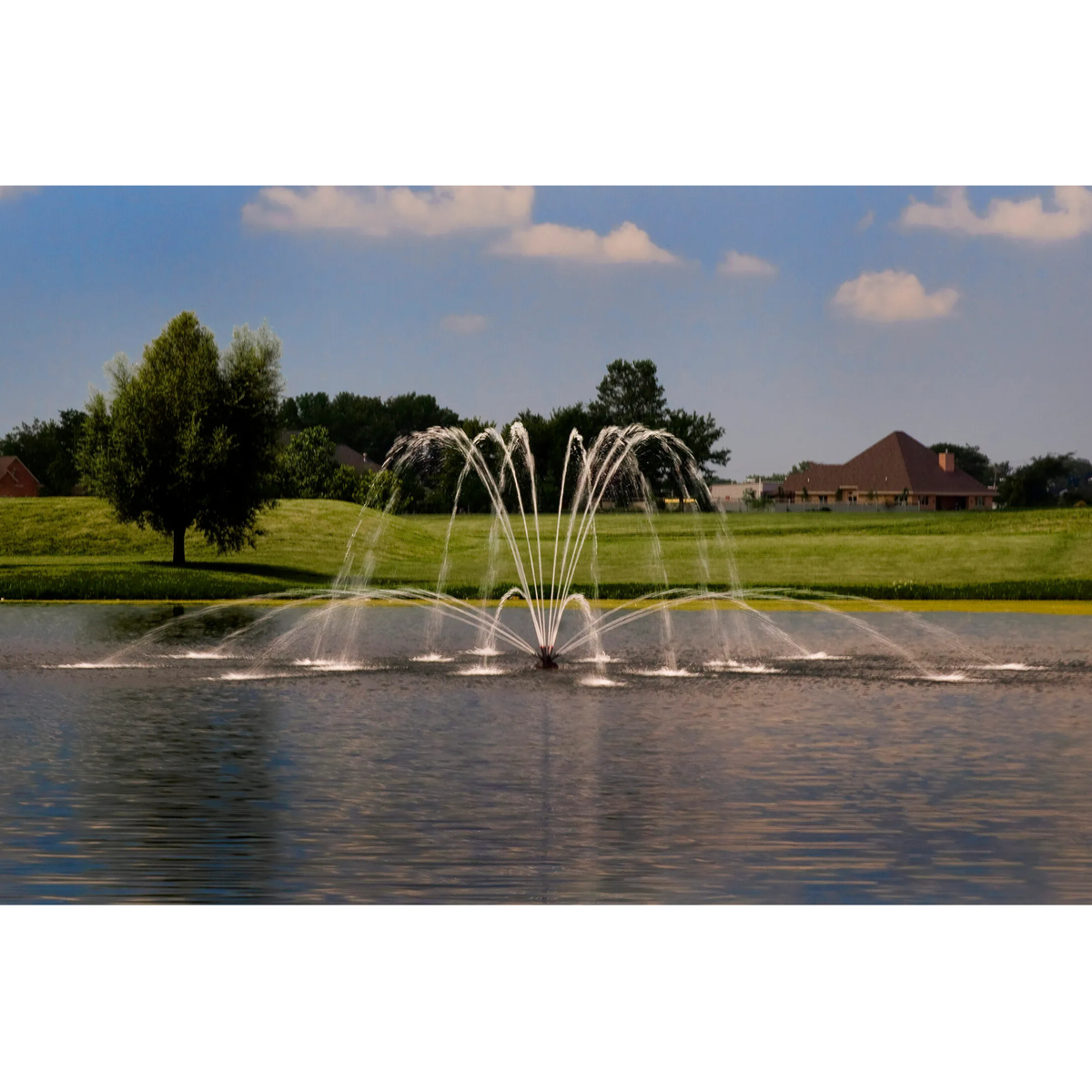
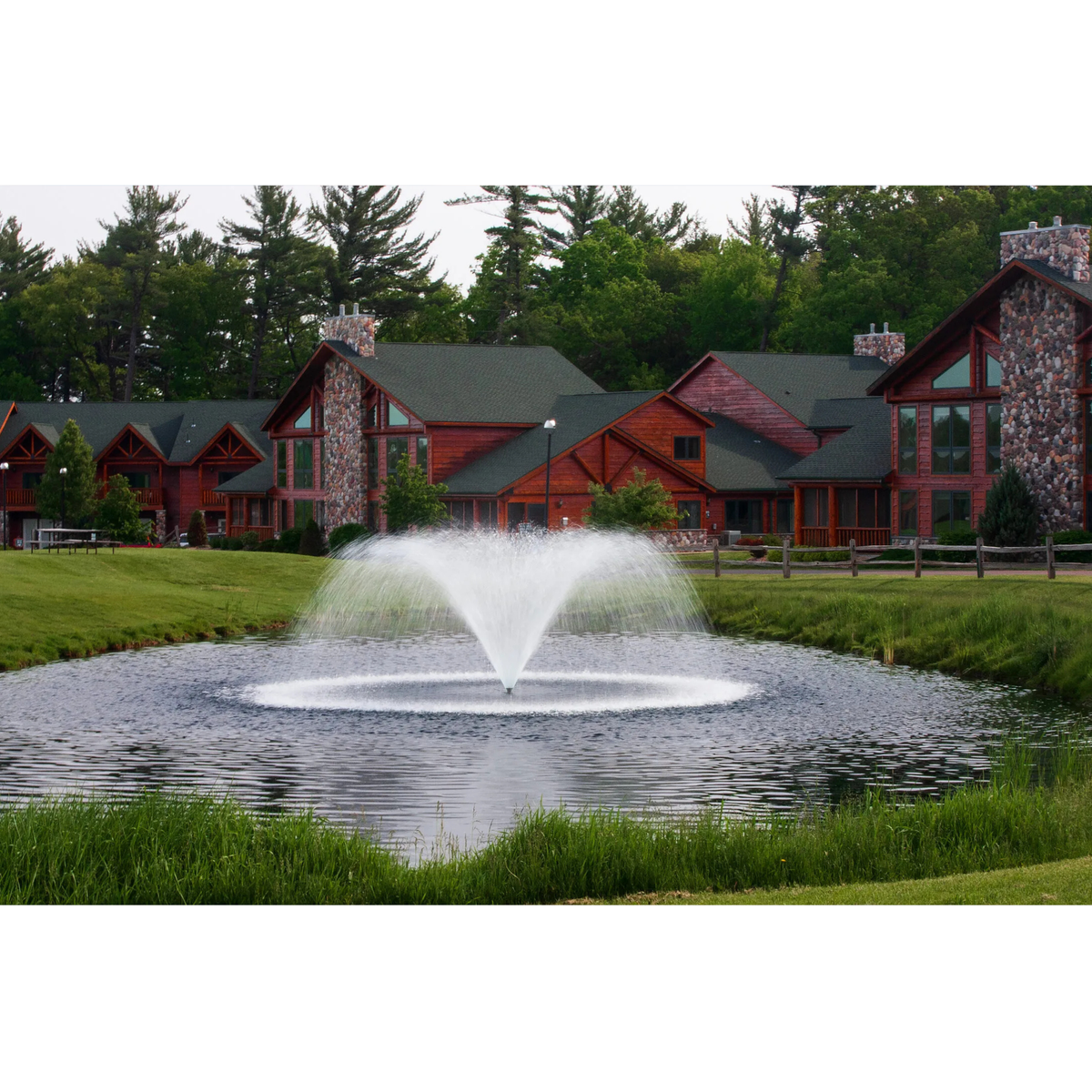
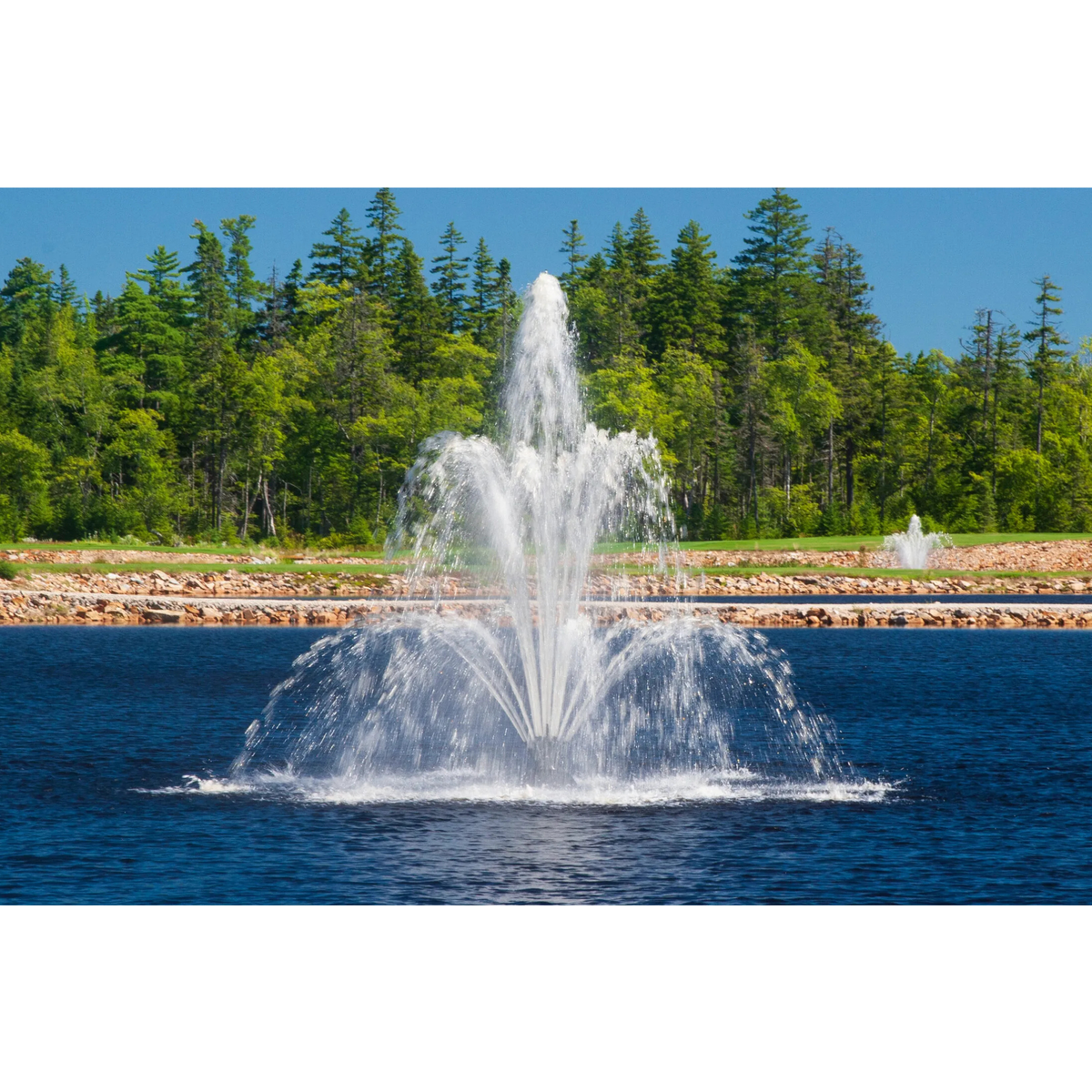
Pond & Lake Fountains
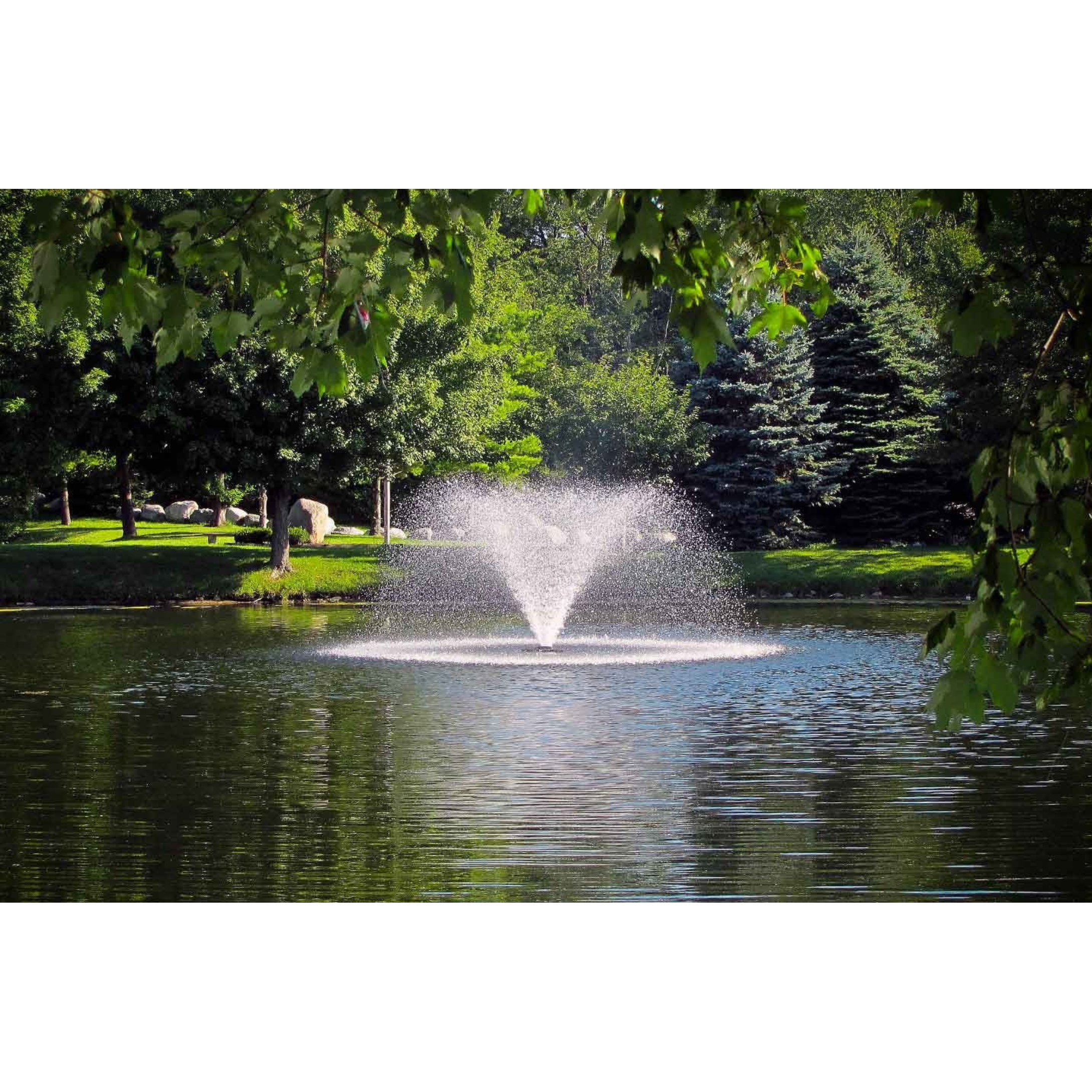
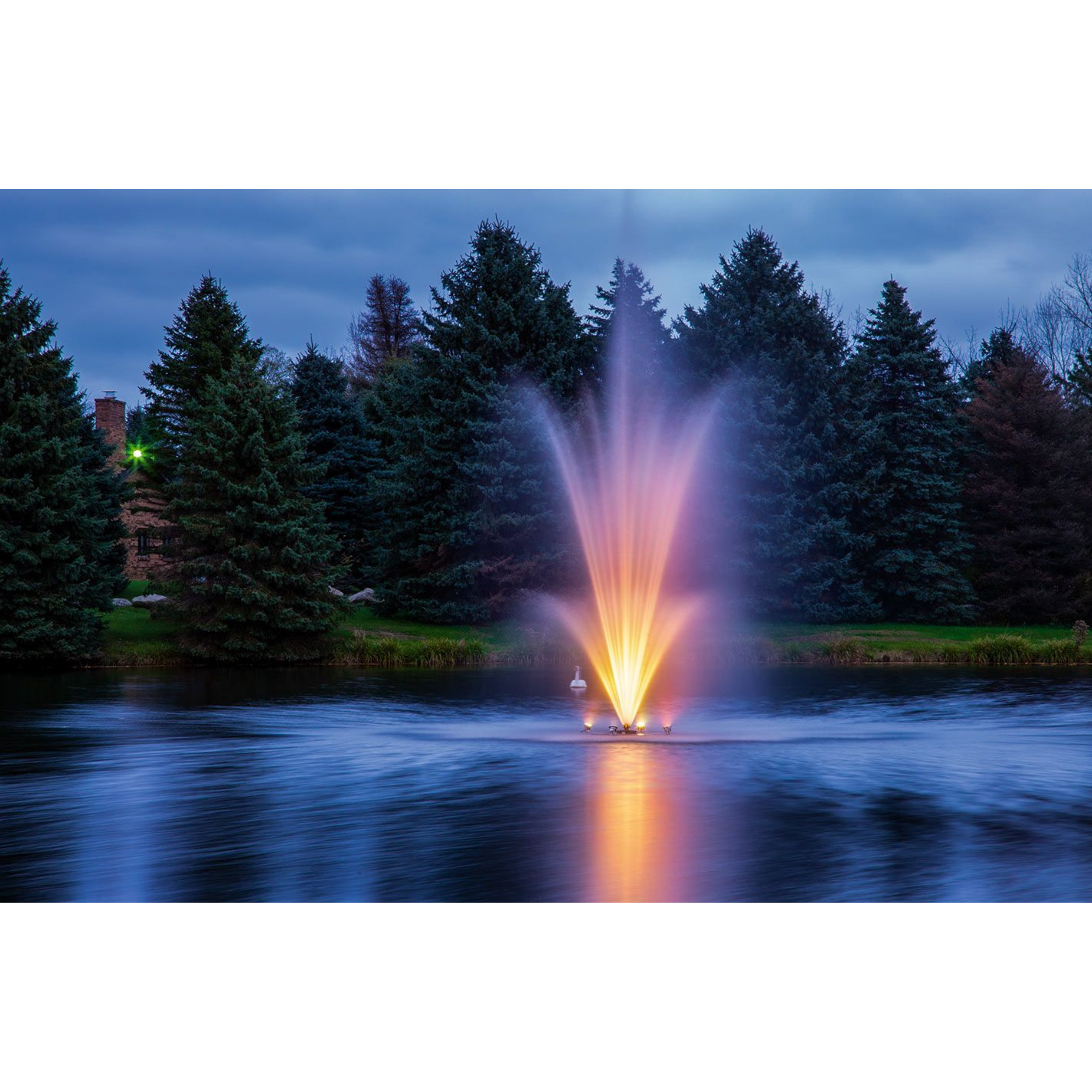
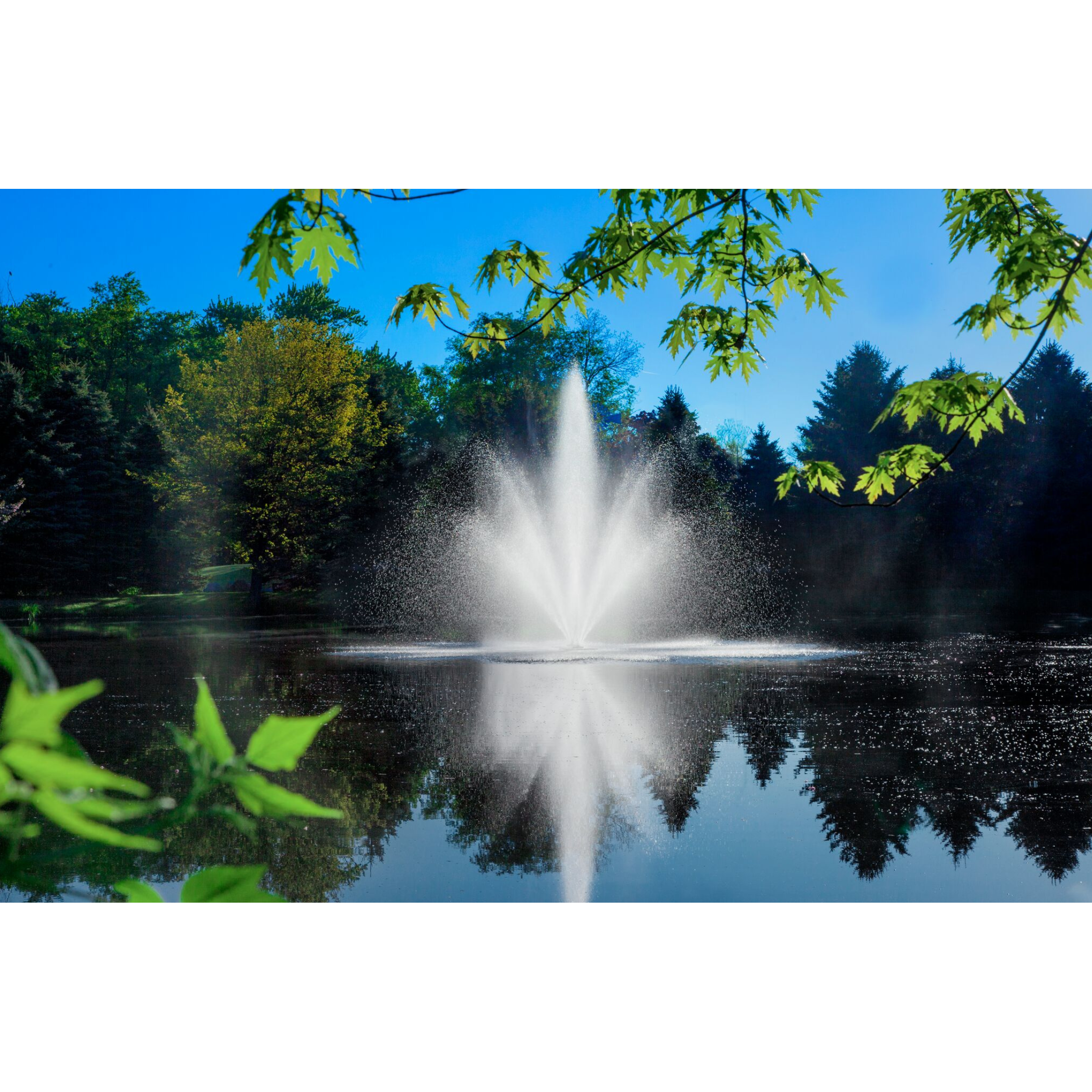
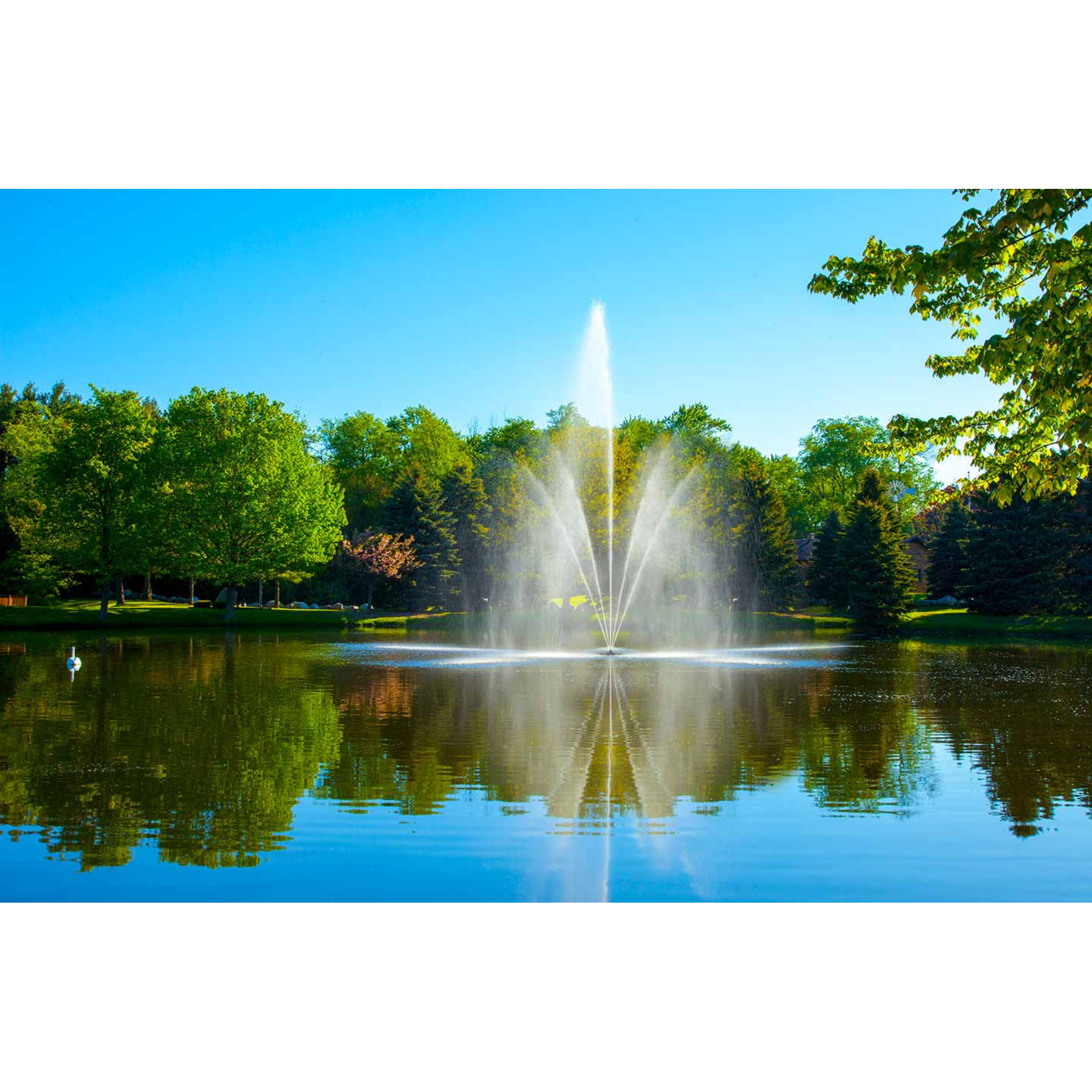
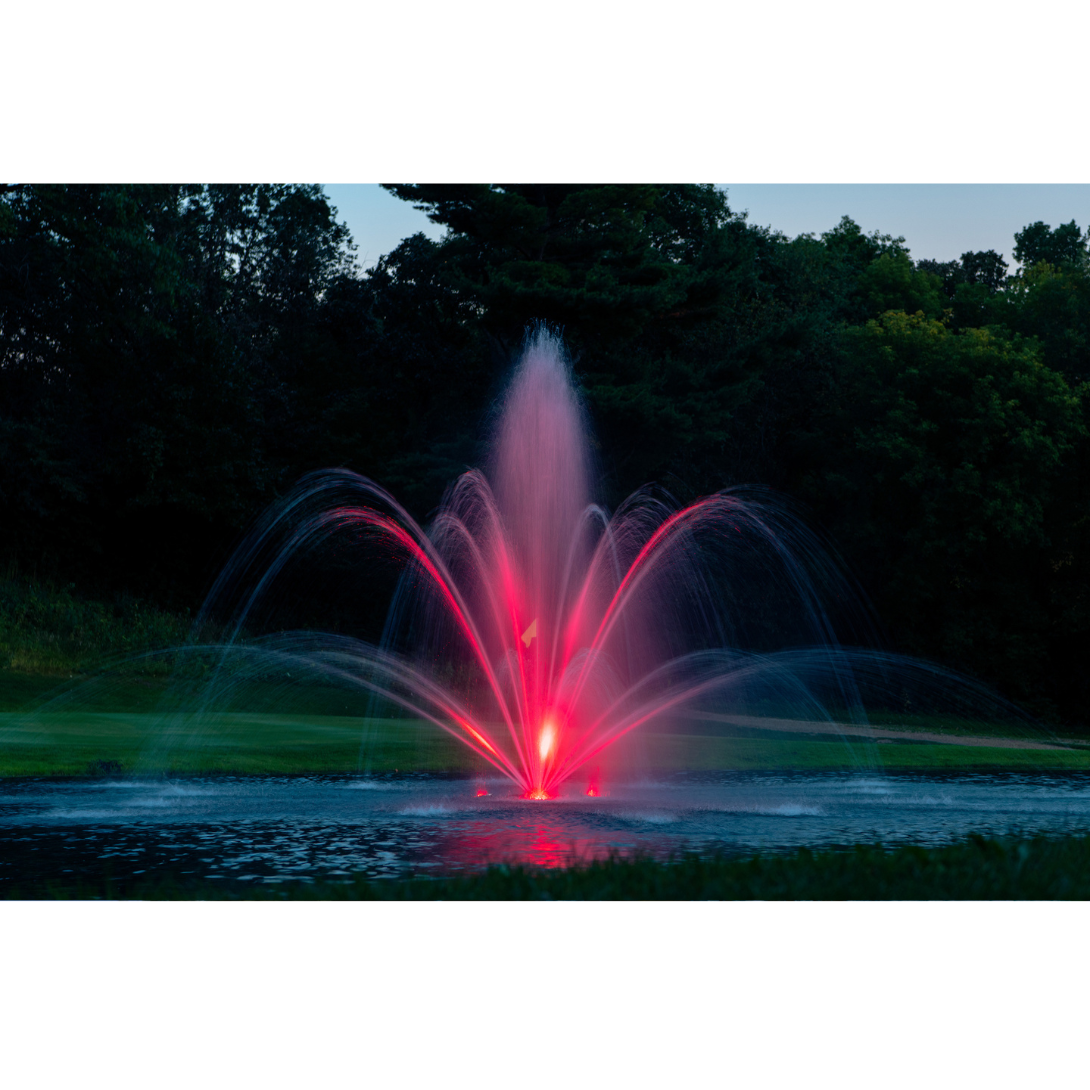
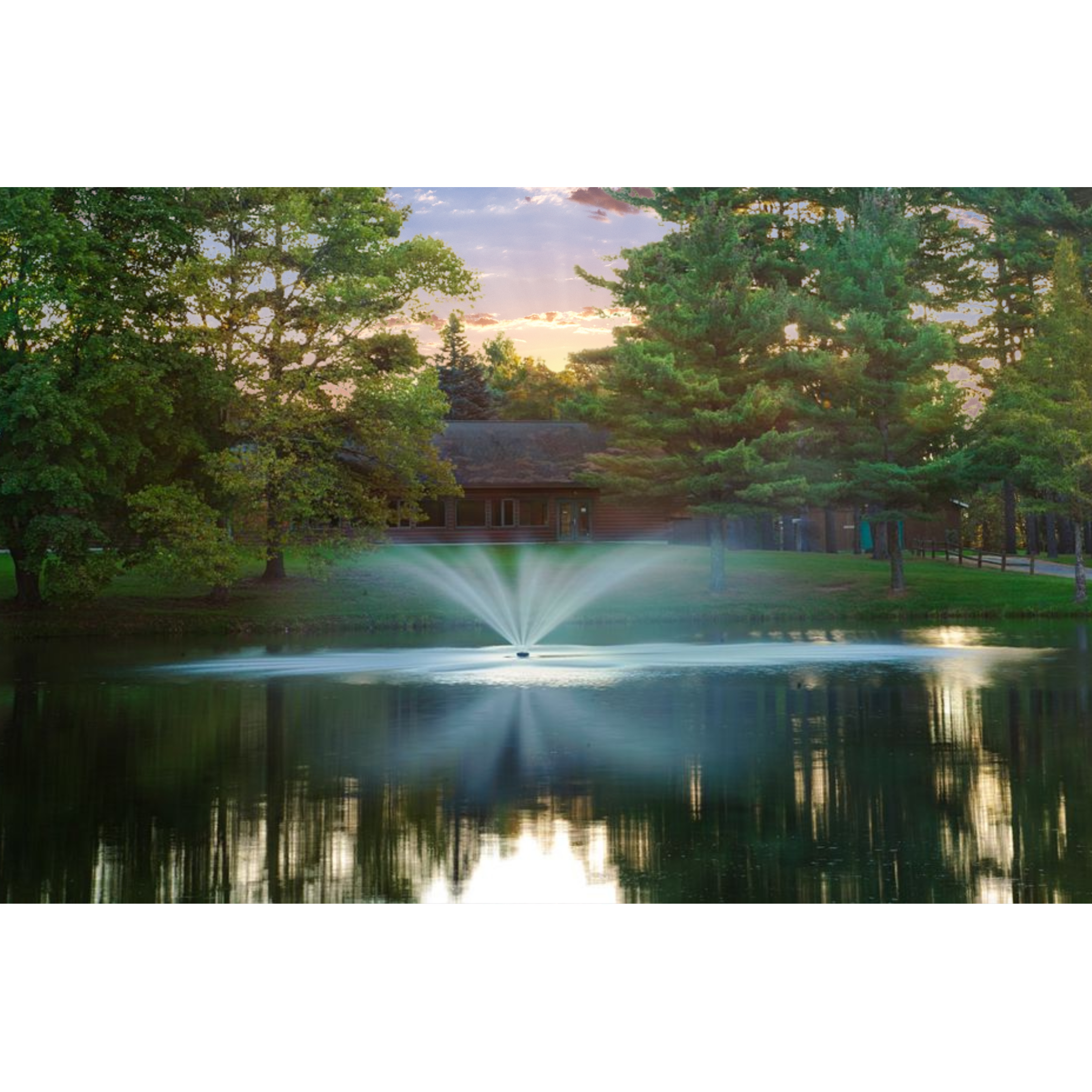
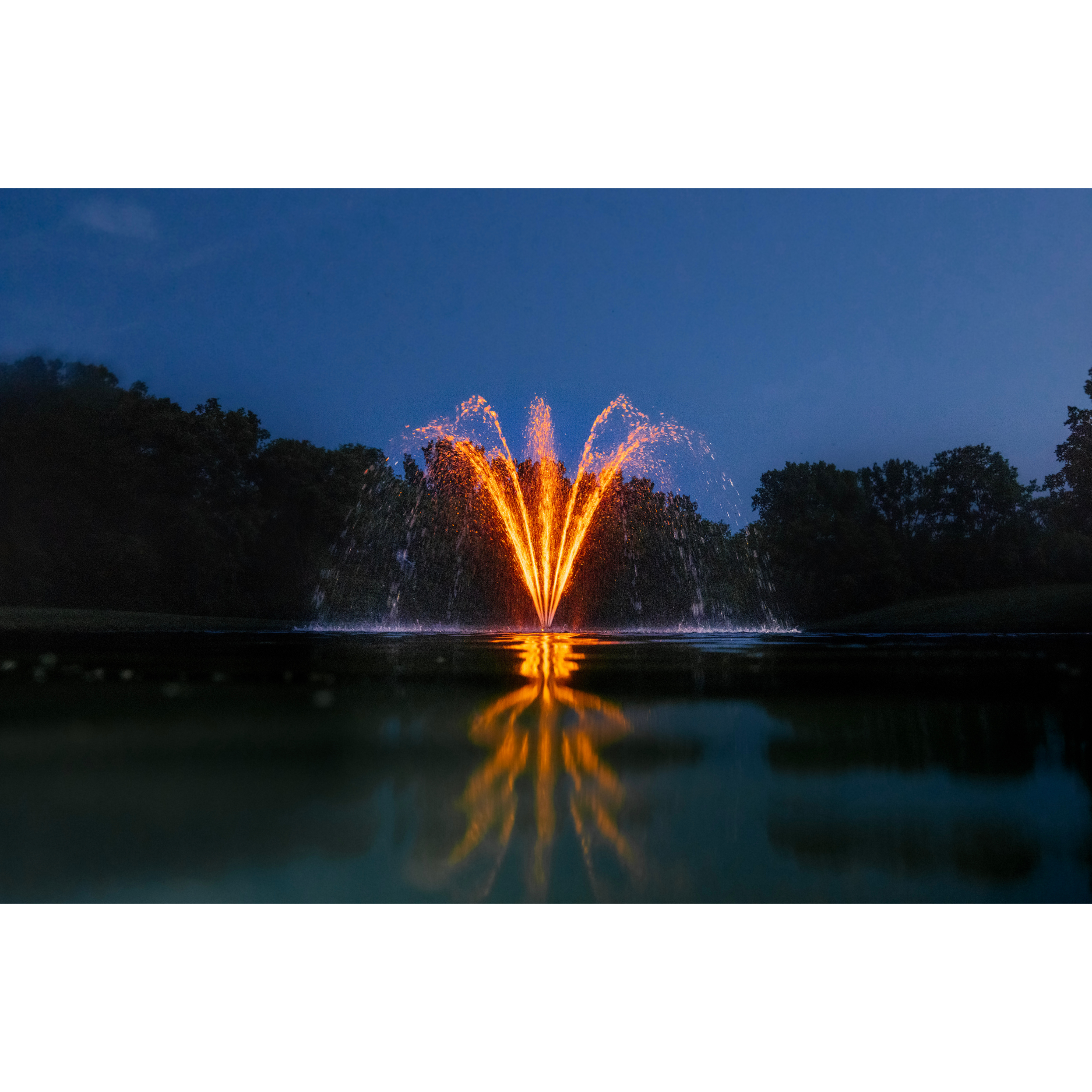
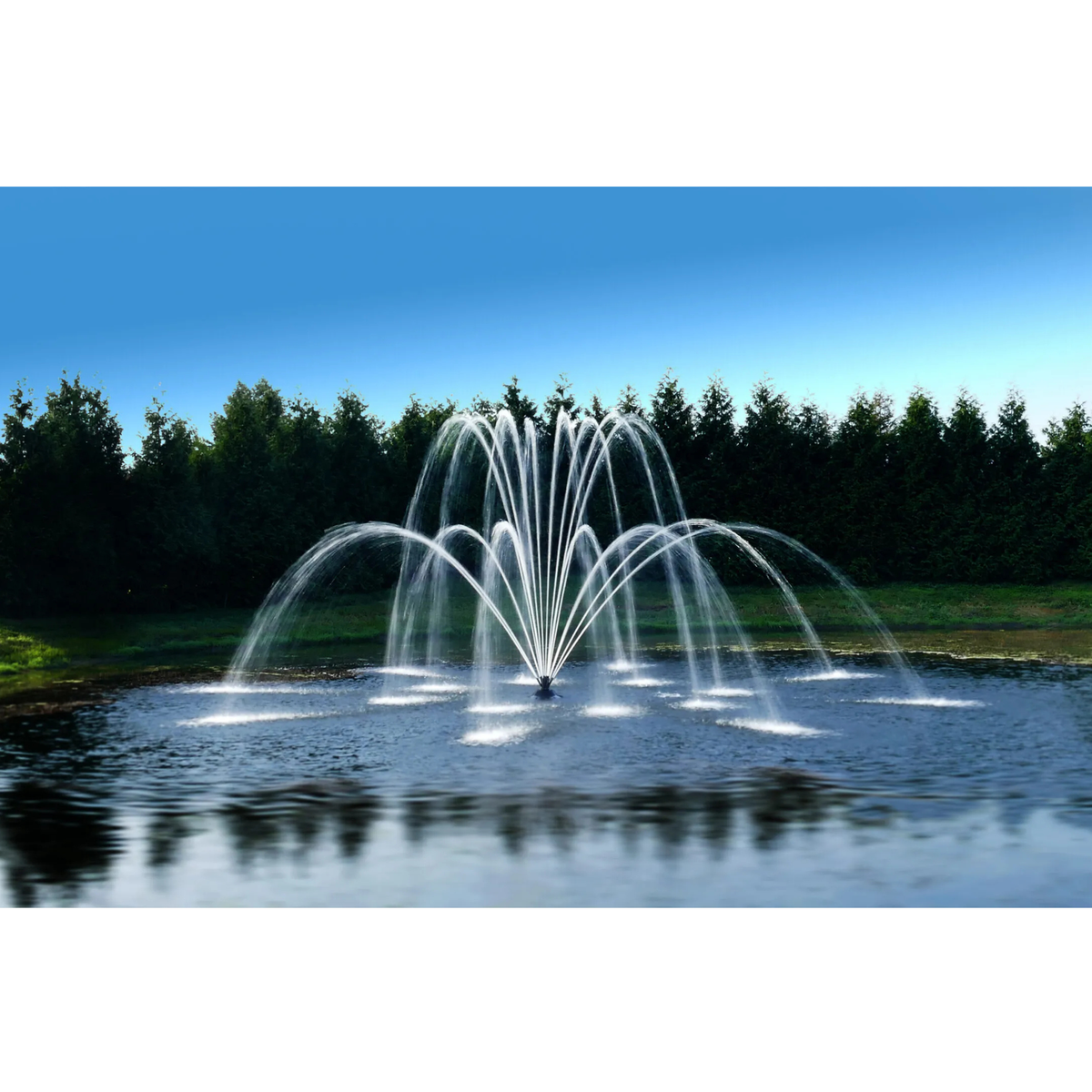
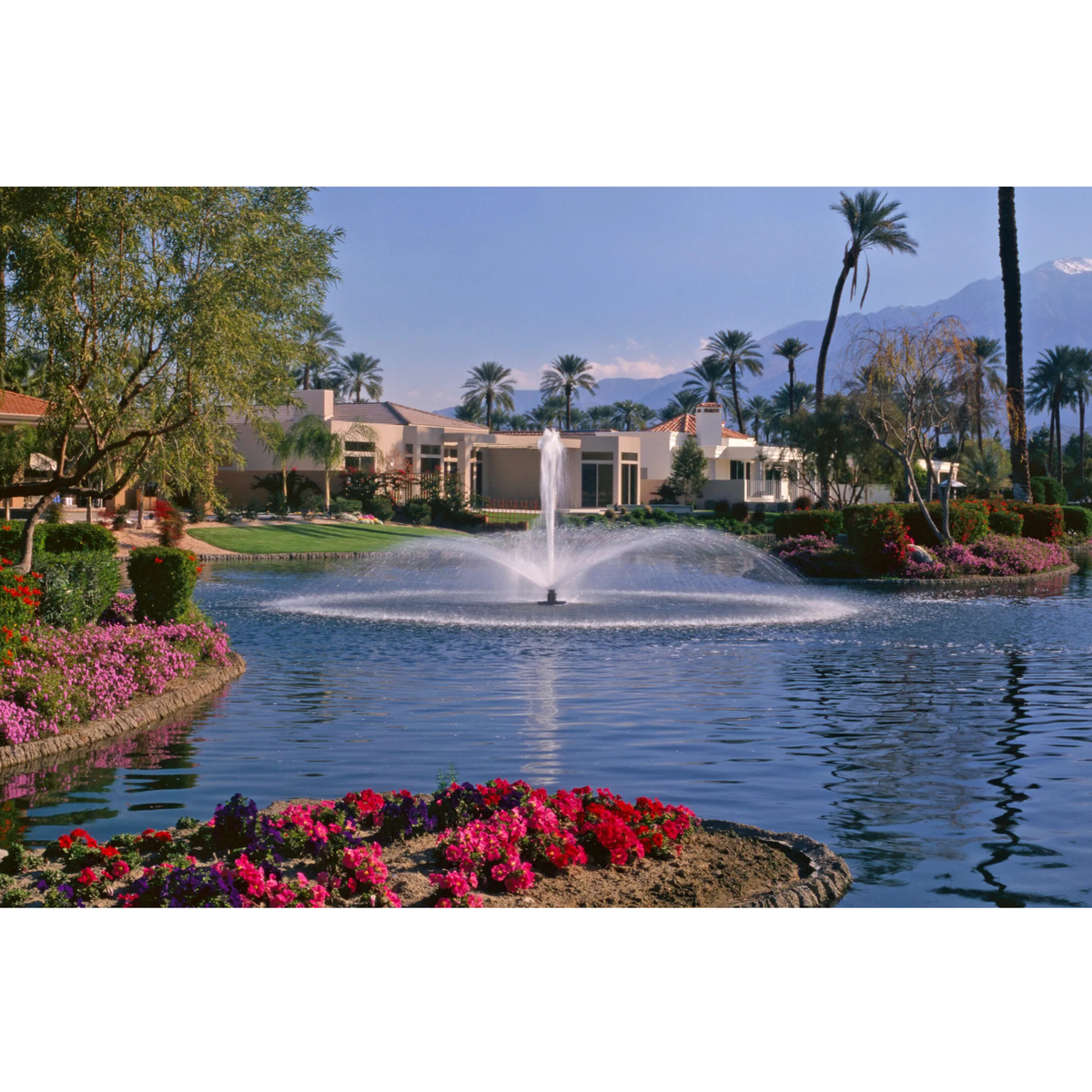
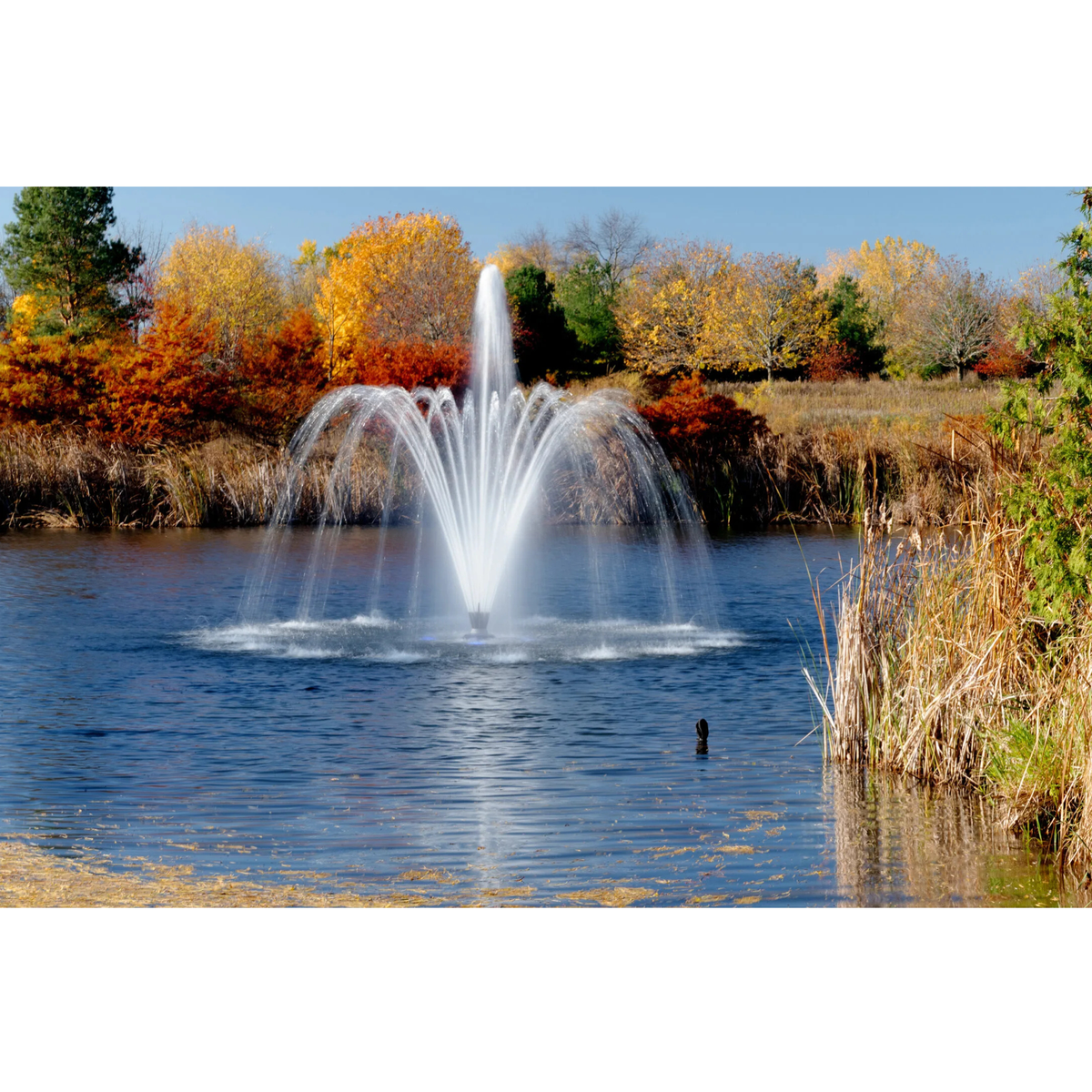
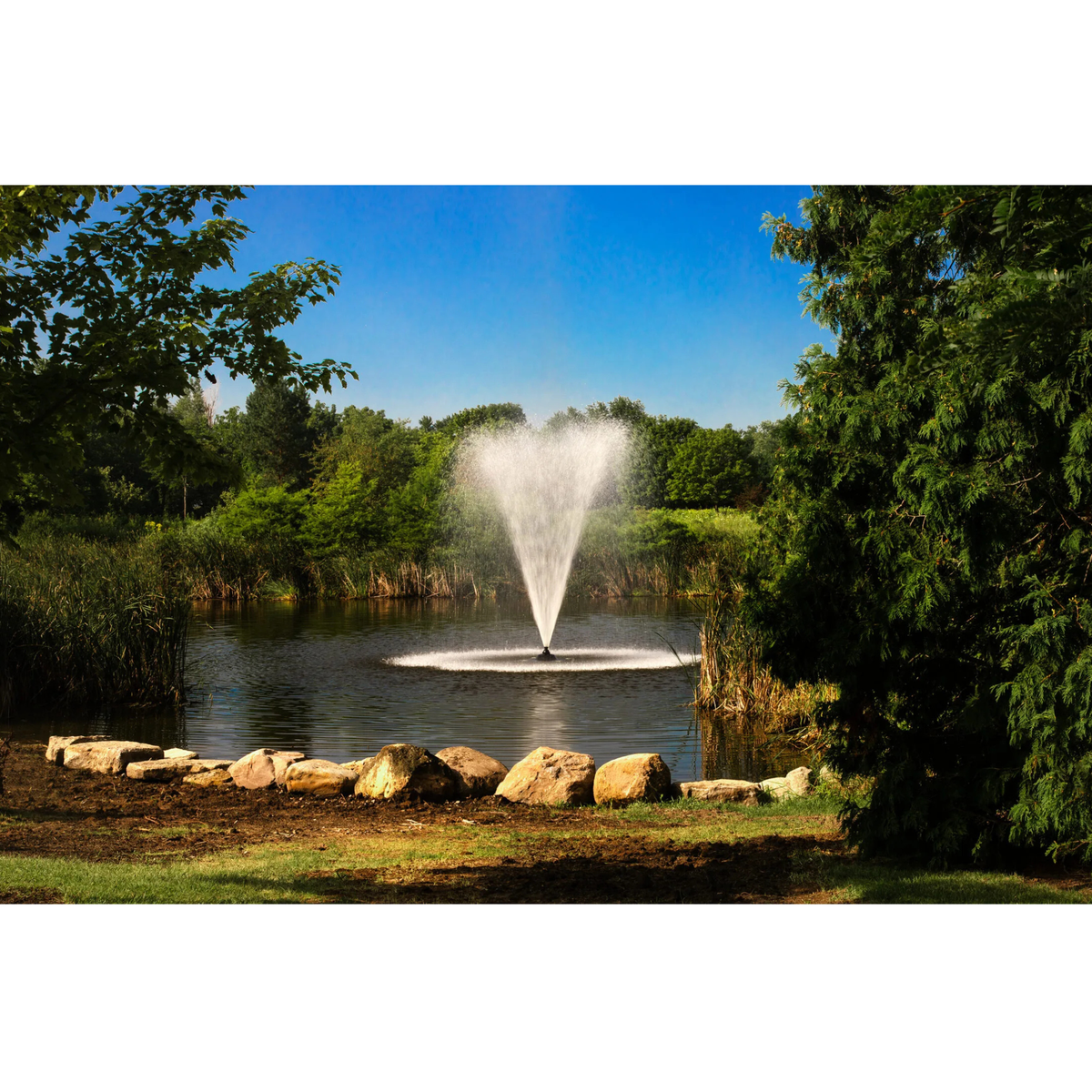
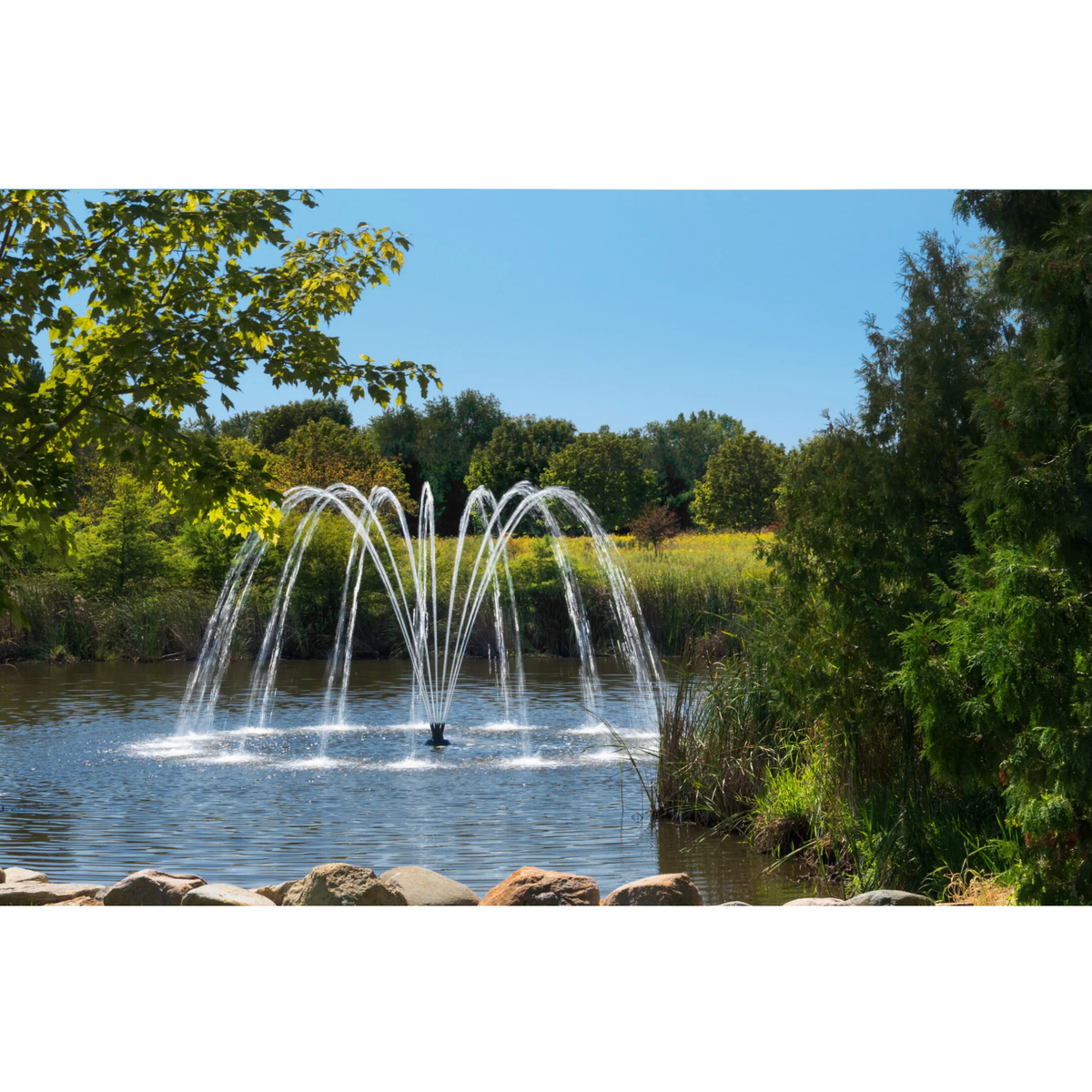
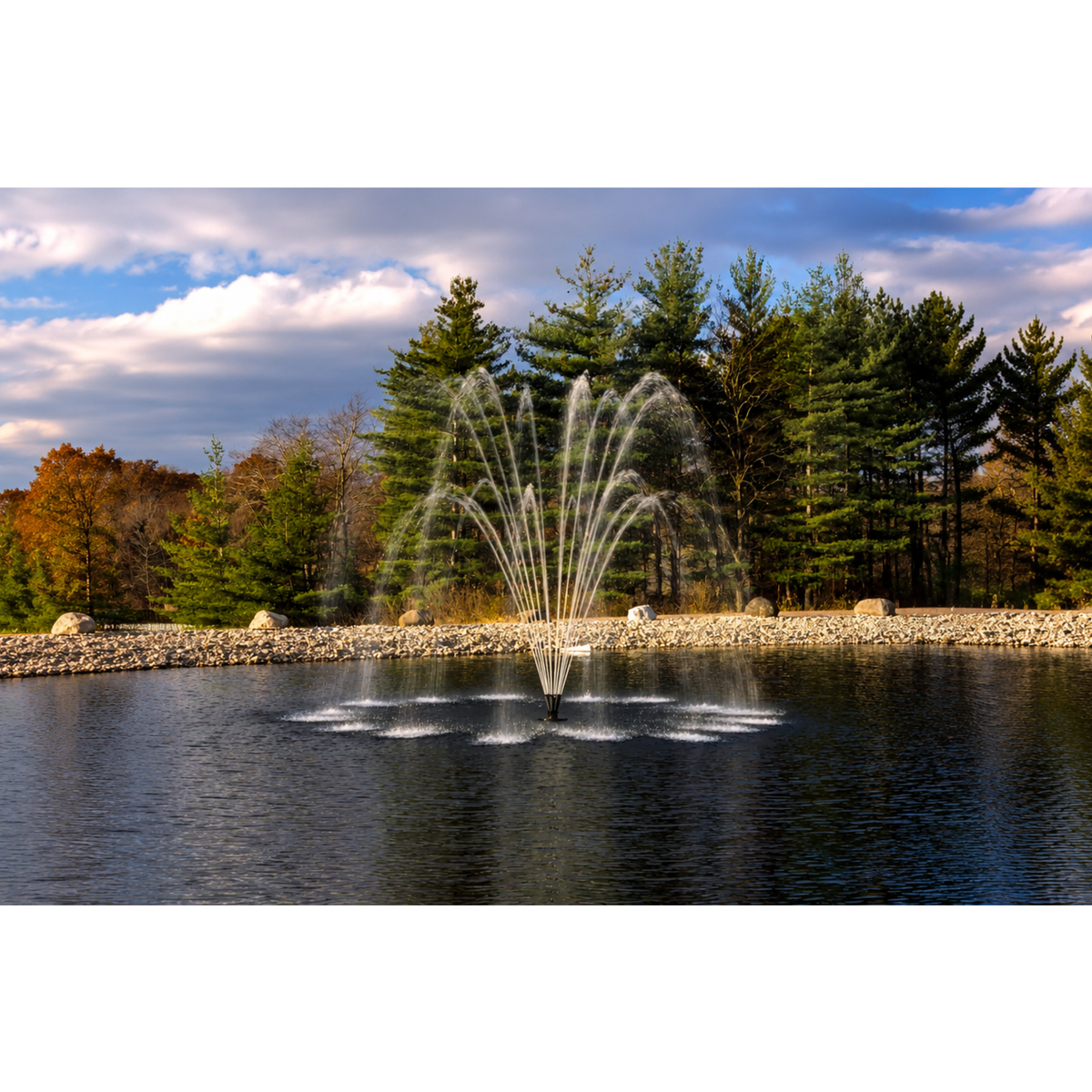
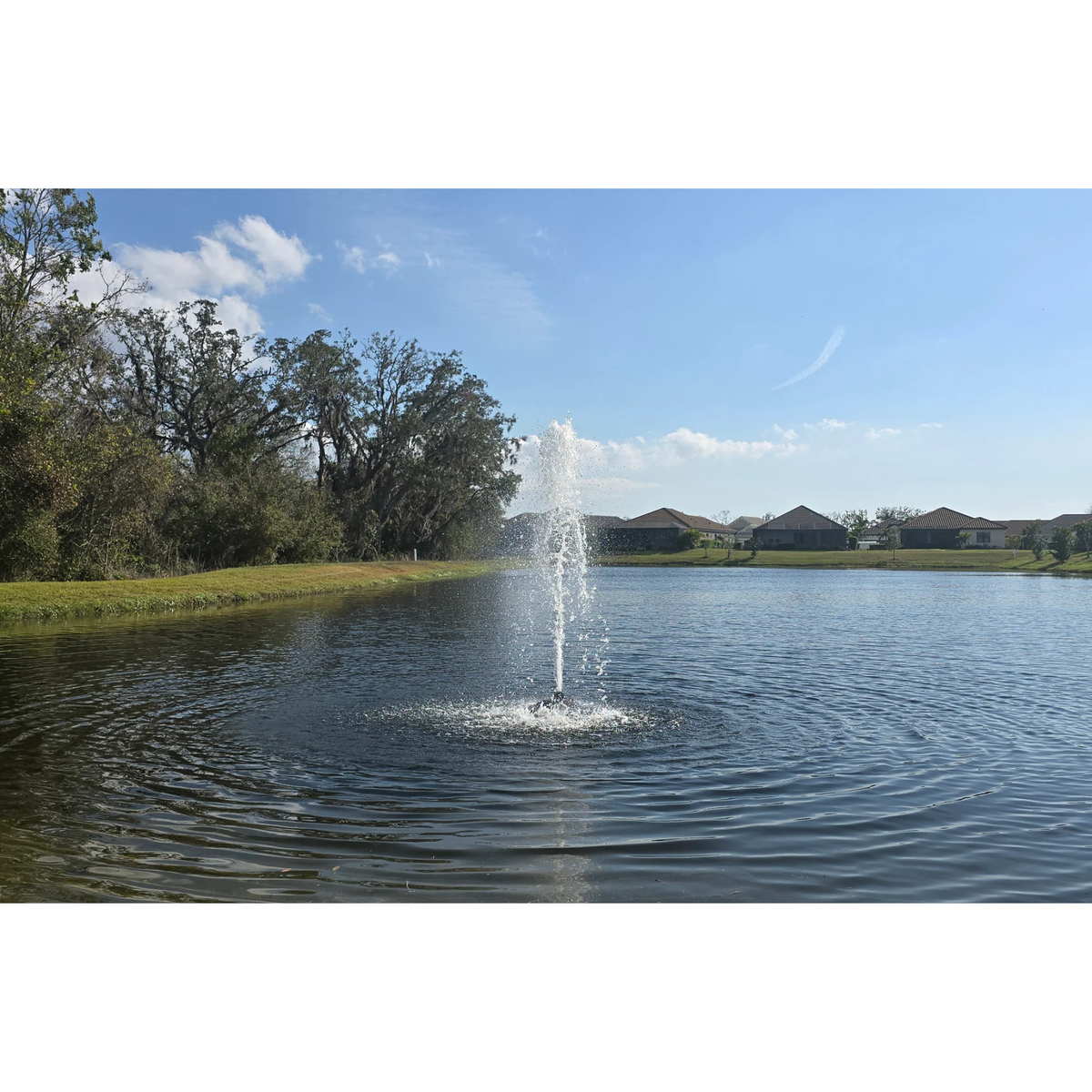
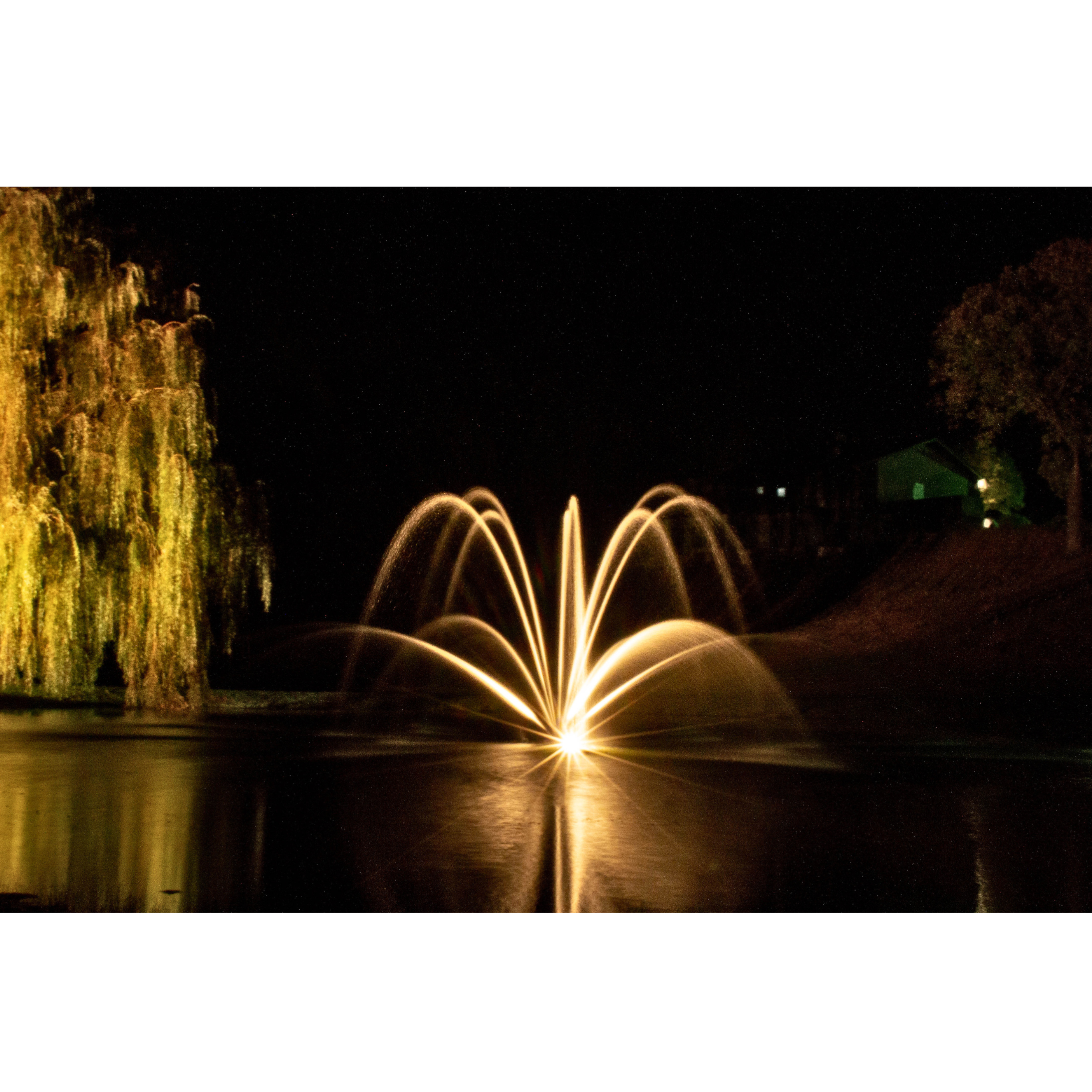
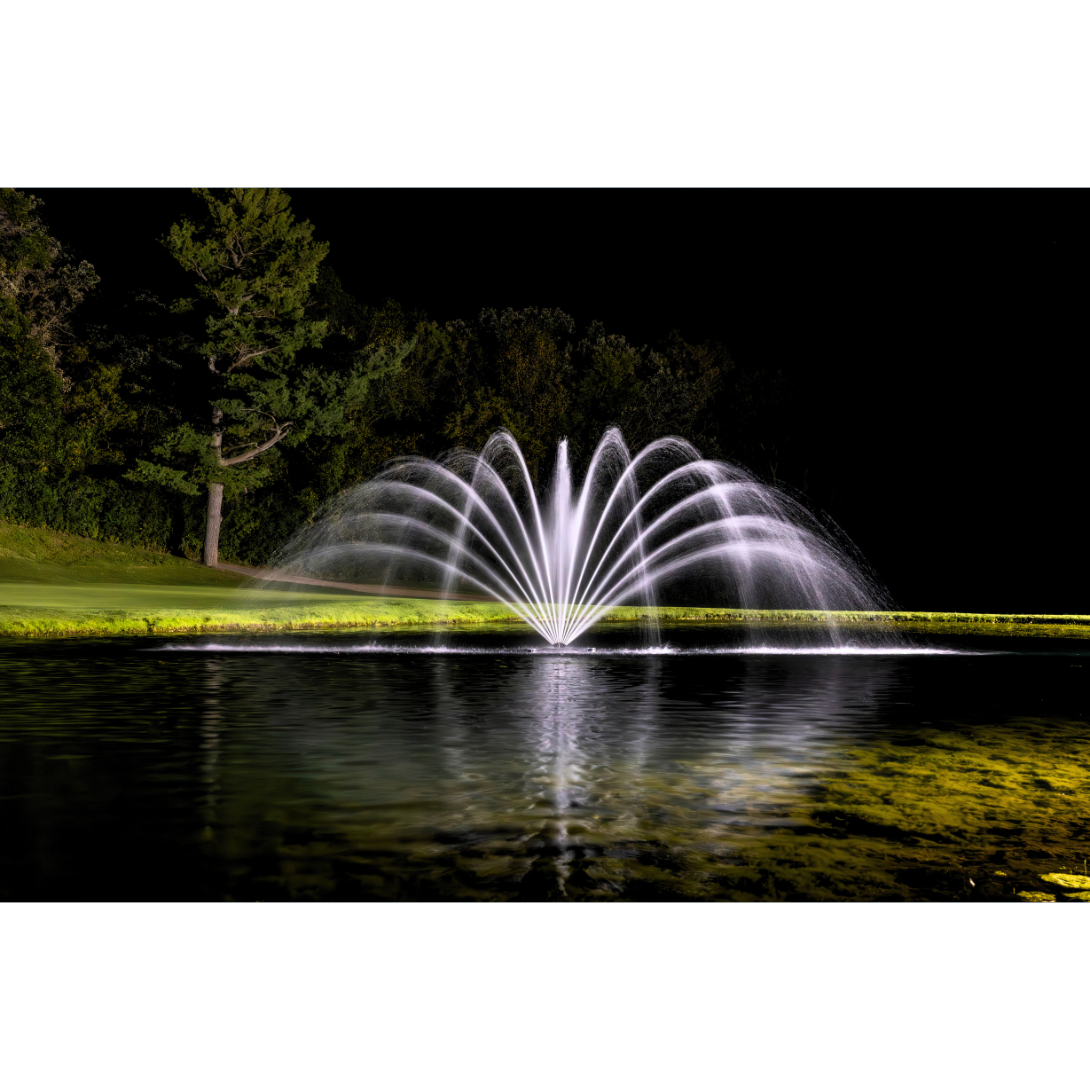
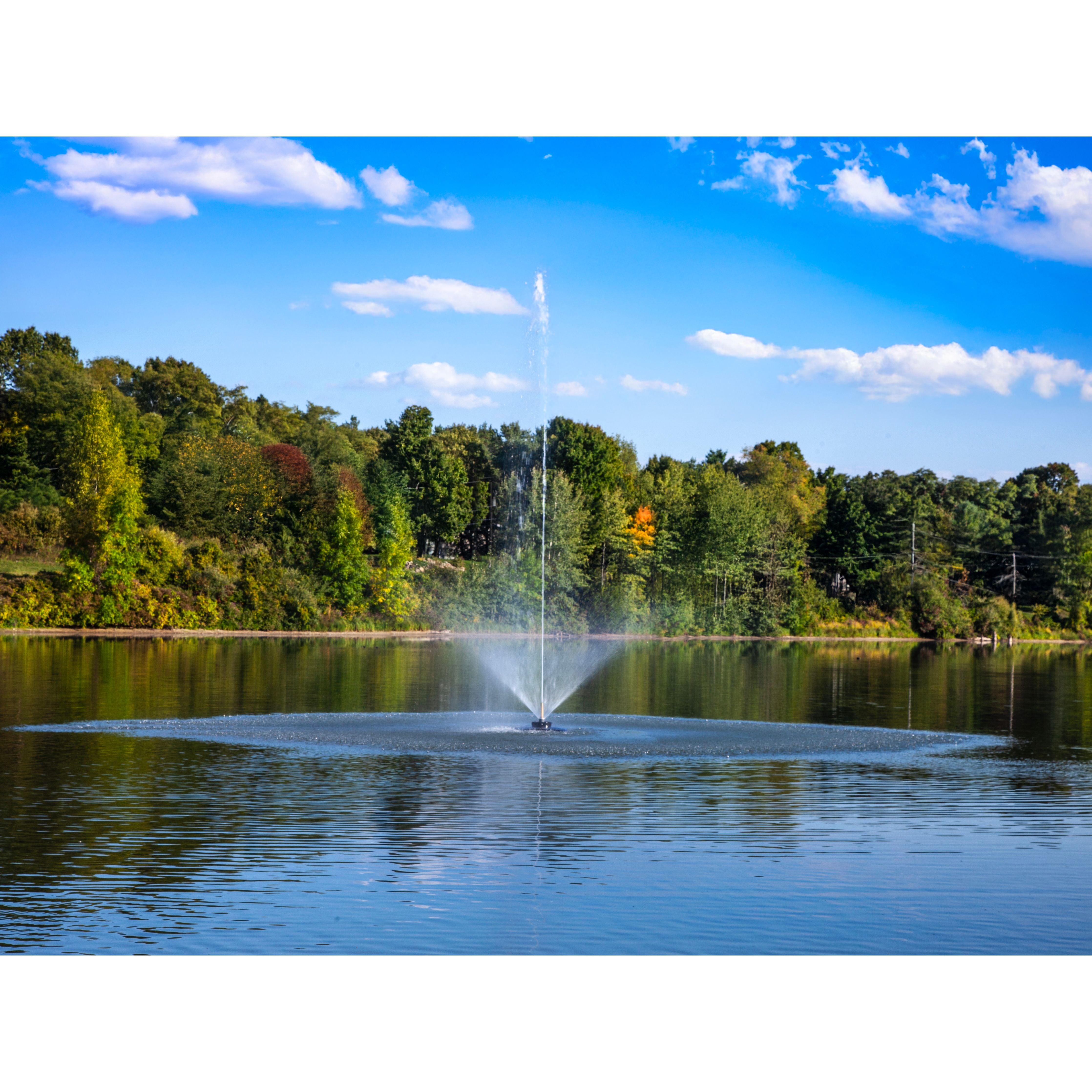
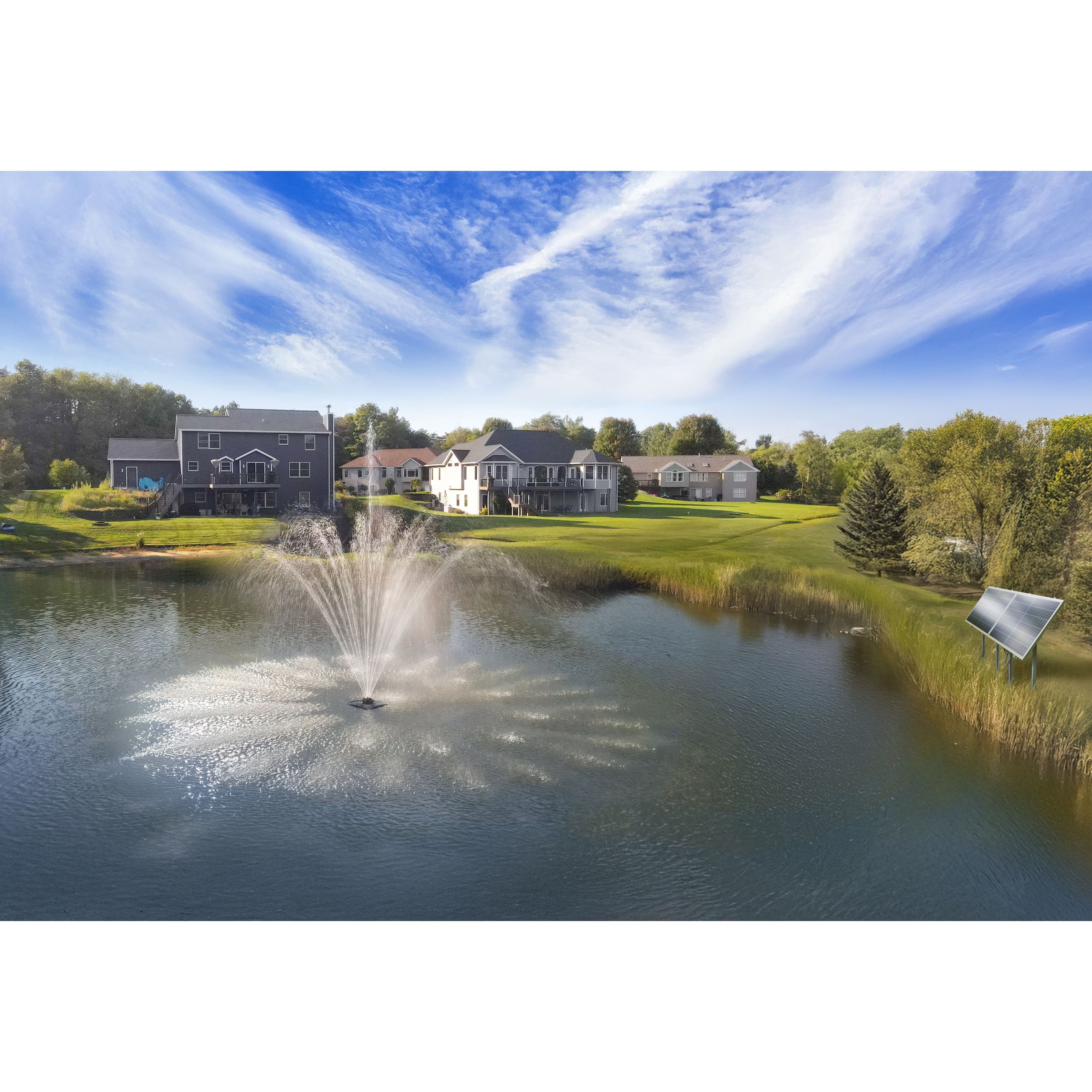
Pond Fountains not only look great, they also add necessary aeration, increase oxygen levels, and reduce algae in residential and commercial ponds. Our high performance pond fountains are suited for ponds from 1/8 acre to 1 acre or more. We stock only industry-leading fountain brands and every model we carry is specially designed to deliver efficient aeration and clean, attractive spray patterns for long-term pond health.
Helpful Tips For Choosing A Pond Fountain:
Aerating Fountains vs Decorative Fountains:
Choosing the right type of pond fountain for your goals is very important! As the name implies, aerating fountains are specifically designed for aeration, while decorative fountains are primarily for aesthetics. Aerating pond fountains use a propeller and an open orifice (rather than a nozzle) which allows maximum flow rates to aggressively aerate the water.
As for decorative fountains, these can aerate as well but they will require more horsepower per surface acre. Because they use an impeller and a nozzle which create their beautiful multi-tier patterns, their flow rate is reduced and aeration efficiency is lost.
Choosing The Right Horsepower:
When selecting a pond fountain, choosing the correct motor strength is necessary in order to ensure proper aeration and a display that will look great in your pond. If you are using a fountain simply for decoration, then you can ultimately choose any horsepower you would like, so long as the spray will not exceed the width of your pond.
In any event, we recommend a minimum of 1 HP per surface acre for a properly-sized display. Below is a helpful sizing chart you can use to determine the best horsepower for your pond or lake.
Aerating Fountain Sizing Chart:
| 1/8 Acre Ponds | 1/3 HP |
| 1/4 Acre Ponds | 1/3 - 1/2 HP |
| 1/2 Acre Ponds | 1/2 - 3/4 HP |
| 3/4 Acre Ponds | 3/4 - 1 HP |
| 1 Acre Ponds | 1 - 1.5 HP |
| 1.5 Acre Ponds | 1.5 - 2 HP |
| 2 Acre (+) Ponds | 2 - 5 HP (+) |
Decorative Fountain Sizing Chart:
| 1/8 Acre Ponds | 1/2 HP |
| 1/4 Acre Ponds | 1/2 - 3/4 HP |
| 1/2 Acre Ponds | 3/4 - 1 HP |
| 3/4 Acre Ponds | 1 - 1.5 HP |
| 1 Acre Ponds | 1.5 - 2 HP |
| 1.5 Acre Ponds | 2 - 3 HP |
| 2 Acre (+) Ponds | 3 - 5 HP (+) |
Using The Correct Voltage:
115/120V fountains are plug-and-play solutions, these will plug into any standard residential outlet. They are great for smaller horsepower units and small-scale installations. However, they are limited in the amount of cord length which can be used on the fountain, as well as the horsepower options offered.
230/240V fountains are designed to be wired directly into a dedicated panel, requiring a certified electrician for proper installation. These are great for larger horsepower units and situations where long power cord runs are required.
In most cases, using 230/240V is almost always the better option and we strongly recommend our customers to convert their electrical setup if possible. The reason for this is that many peoples ponds are quite a ways from the main power source (breaker panel) which increases the risk of voltage drop. A voltage drop will cause poor performance, put unnecessary strain on the motor, and reduce it's lifespan.
If you need any help determining the right voltage to use for your specific setup, give one of our fountains experts a call. We are happy to point you in the right direction to make sure your fountain runs reliably.
Maintaining Your Pond Fountain:
Keeping your fountain running strong is relatively easy! Our Scott Aerator brand pond fountains are some of the lowest-maintenance pond fountains on the market, only requiring periodic cleaning. They are completely winter-safe, so you can simply leave them in the pond year round (either shut off before temperatures freeze, or let them run 24/7 to prevent ice from forming around the motor). They are also water-cooled, which eliminates the need for costly oil changes.
Other brands will need to be removed from the pond during winter and are often oil-cooled, these both increase the burden of maintenance. However, an oil change generally only needs to be performed every 2 to 3 years.


